Gray Medical
In the healthcare sector, the longevity of hospital furniture is crucial. The right furniture supports patient care and staff efficiency. However, many facilities overlook the importance of regular maintenance. It raises the question: How to maintain hospital furniture for long-term durability?
Durable furniture not only enhances aesthetics but also ensures safety and functionality. Regular cleaning protocols, proper usage, and timely repairs play vital roles in extending the lifespan of hospital furniture. For instance, materials that resist stains and damage contribute significantly. Yet, some facilities fail to invest in high-quality items.
Training staff on proper handling can mitigate unnecessary wear and tear. Furthermore, periodic assessments of furniture condition can identify issues early. This proactive approach may seem tedious but is essential for sustainability. Balancing budget constraints while ensuring furniture integrity is often a challenge. Nevertheless, consistent efforts lead to more reliable and lasting hospital environments.
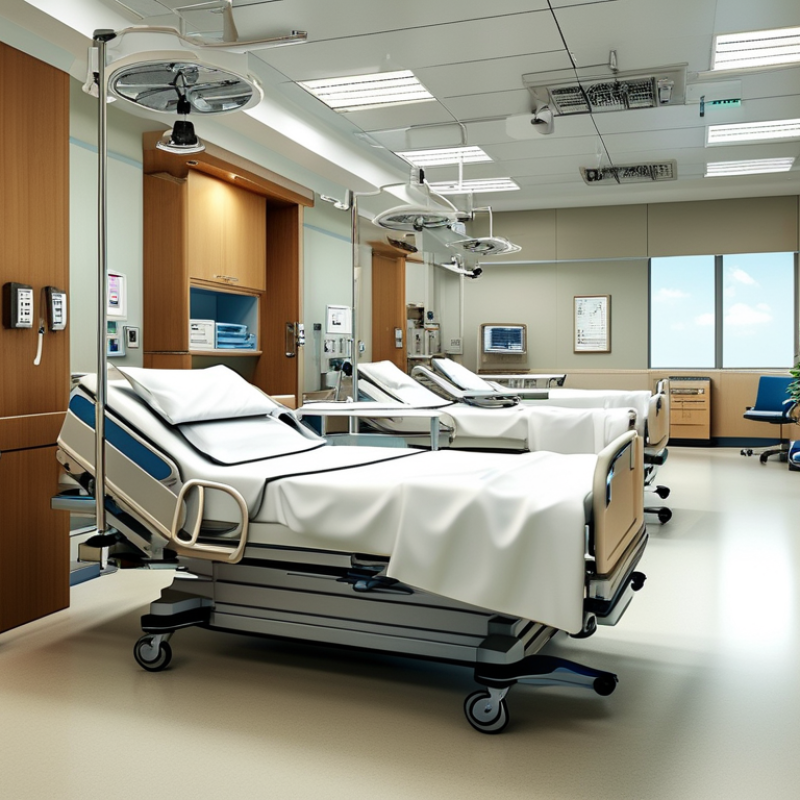
Selecting high-quality materials for hospital furniture is crucial for ensuring long-lasting durability. The right materials can significantly impact the furniture's lifespan, safety, and comfort. According to a report by the Healthcare Furniture Association, 70% of hospital furniture failures stem from poor material choices. Using materials like high-density polyethylene (HDPE) or commercial-grade laminate can enhance resistance to moisture and scratches. These materials not only withstand daily wear but also contribute to infection control, an essential factor in hospital settings.
Moreover, the construction of hospital furniture should account for various environmental factors. Many hospitals face fluctuating humidity and temperature levels. Research indicates that wood-based materials often warp under changing conditions. Therefore, opting for metals or plastic materials offers better stability. Additionally, selecting upholstery with antimicrobial properties reduces the risk of contamination. It is essential to evaluate materials based on their functional attributes while also factoring in patient comfort.
Hospital furniture choices should prioritize both durability and aesthetics. Unfortunately, some facilities might compromise on one for the other. Balancing these requirements can pose challenges. An understanding of advanced material technology is vital. However, many decision-makers still struggle to keep up with evolving standards. By recognizing these complexities, hospitals can better navigate the selection process, ensuring furniture meets both safety regulations and patient needs.
Ergonomic design plays a vital role in the longevity of hospital furniture. When furniture is thoughtfully designed, it enhances comfort, safety, and accessibility. In hospitals, both patients and staff spend long hours using various types of furniture. Poorly designed chairs or beds can lead to discomfort, fatigue, and even injury. This can ultimately increase maintenance costs and shorten the furniture's lifespan.
Moreover, ergonomic furniture can support proper posture and reduce strain on the body. For instance, adjustable hospital beds allow patients to find their most comfortable position. Staff, in turn, benefit from chairs that support their backs during long shifts. These small adjustments can significantly impact daily operations and furniture durability. However, not all designs are perfect. Some ergonomic features may not suit every user, leading to challenges in their effectiveness.
In the hospital setting, furniture is often subjected to rigorous cleaning and heavy use. The materials used must be resilient. While some manufacturers focus on aesthetics, durable materials are equally essential. Reflection on the balance of style and functionality can ensure that hospital furniture meets both immediate needs and long-term goals. Employing research-based designs fosters an environment where comfort and reliability coexist, enhancing the overall functionality of healthcare facilities.
In healthcare settings, maintaining furniture is critical for safety and hygiene. Regular cleaning routines should incorporate appropriate cleaning agents that are effective yet gentle. Stains and spills should be addressed promptly to prevent any long-term damage. It's helpful to create a daily checklist to ensure all areas are covered.
Seating and surfaces can wear down quickly if not cared for. Consider inspecting furniture for loose screws or damaged parts. Tightening screws may help prevent further issues. A thorough inspection every few months minimizes the risk of larger repairs down the line.
Avoiding overcrowding can also enhance furniture durability. Limiting the number of people using specific pieces at one time reduces wear. Training staff on proper usage can maintain furniture integrity. Regular maintenance does require effort, but this ensures that the healthcare environment remains both functional and inviting.
Ensuring the long-lasting durability of hospital furniture is crucial for maintaining a safe and hygienic environment. Implementing effective infection control protocols is key to preserving these essential items. Regular cleaning and disinfection routines can significantly reduce the spread of pathogens. This involves using hospital-grade cleaning solutions that are effective against a wide range of germs. Ensuring furniture is made of non-porous materials can also aid in minimizing contamination.
Regular inspections of the furniture are vital. Look for signs of wear and tear, such as scratches or dents, where bacteria can thrive. Make it a routine practice to assess the condition of each piece. Consider training staff on proper usage and maintenance of furniture as their actions impact longevity.
Using protective covers can shield surfaces from spills and stains. These covers are a simple yet effective way to preserve the integrity of the furniture. Staff should be reminded to raise any concerns about damaged furniture immediately. An open line of communication fosters a culture of vigilance and care. Prioritizing these measures can lead to an overall improvement in hospital conditions.
Training staff on best practices is crucial for maintaining hospital furniture. Medical facilities often spend significant budgets on high-quality equipment. According to the Healthcare Furniture Market Report, proper training can extend the lifespan of hospital furniture by nearly 40%. This indicates that the effort in staff education pays off over time.
Staff should understand how to handle furniture properly. For instance, carts and tables should be moved carefully to avoid wear and tear. Regular checks can prevent minor issues from escalating into costly repairs. Training programs should cover everyday use, cleaning procedures, and damage reporting techniques.
Challenge arises when staff overlook maintenance protocols in the rush of daily activities. A survey revealed that 30% of healthcare workers were unaware of best practices for equipment care. This gap highlights the need for ongoing training sessions. Engaging staff consistently through workshops will reinforce their commitment to maintaining durability in healthcare settings.
| Maintenance Practice | Frequency | Responsibility | Impact on Durability |
|---|---|---|---|
| Regular Cleaning | Daily | All Staff | Prevents wear and buildup |
| Check for Damage | Weekly | Maintenance Team | Early detection of issues |
| Lubrication of Moving Parts | Monthly | Technicians | Reduces friction and wear |
| Routine Inspection | Quarterly | Quality Control | Ensures furniture meets standards |
| Staff Training | Annually | Management | Improves handling and care |
: High-quality materials enhance durability, safety, and comfort, extending the furniture's lifespan.
High-density polyethylene and commercial-grade laminate resist moisture and scratches effectively.
Fluctuating humidity and temperature can warp wood-based materials, making plastic or metal preferable.
Ergonomic design enhances comfort and accessibility, reducing strain on patients and staff.
Yes, uncomfortable furniture can cause fatigue and injuries, leading to higher maintenance costs.
Proper training can extend furniture lifespan by up to 40%, maximizing the investment in quality materials.
Overlooking maintenance protocols can lead to significant wear, increasing repair costs.
Ongoing training sessions help reinforce best practices among staff, ensuring effective maintenance.
Not all ergonomic designs suit every user, leading to potential discomfort.
Compromising one for the other may affect functionality and patient satisfaction over time.
Ensuring the long-lasting durability of hospital furniture is crucial for maintaining an efficient and safe healthcare environment. This begins with the selection of high-quality materials that can withstand the wear and tear typically encountered in medical settings. Ergonomic design also plays a significant role, as it not only enhances comfort for patients and staff but also contributes to the longevity of the furniture by preventing premature breakdown.
Regular maintenance practices, such as routine inspections and immediate repairs, can significantly extend the life of hospital furniture. Additionally, implementing infection control protocols ensures the furniture remains hygienic and less likely to be compromised by contaminants. Finally, training staff on the best practices for using and maintaining hospital furniture is essential. These strategies together answer the question, "How to maintain hospital furniture for long-term durability?" by fostering an environment where furniture can perform effectively over time.
