Gray Medical
Understanding how to sterilize reusable dental tools properly is crucial for maintaining safety and hygiene in dental practices. Inadequate sterilization can lead to infections and compromise patient health. Dental professionals must prioritize effective sterilization methods, ensuring tools remain free from harmful pathogens.
Many techniques exist for sterilizing dental tools, each with distinct advantages. Autoclaving and chemical sterilization are popular choices, but not all tools may suit every method. It's vital for practitioners to assess the material and construction of their instruments before selecting a sterilization technique. Regular training and updates on sterilization processes can enhance a facility's effectiveness.
Challenges persist in achieving consistent results. Some tools are complex in design, making thorough sterilization difficult. Misunderstandings about proper methods can also arise, leading to potential risks. Therefore, staying informed and adhering to best practices is essential in dental care settings.
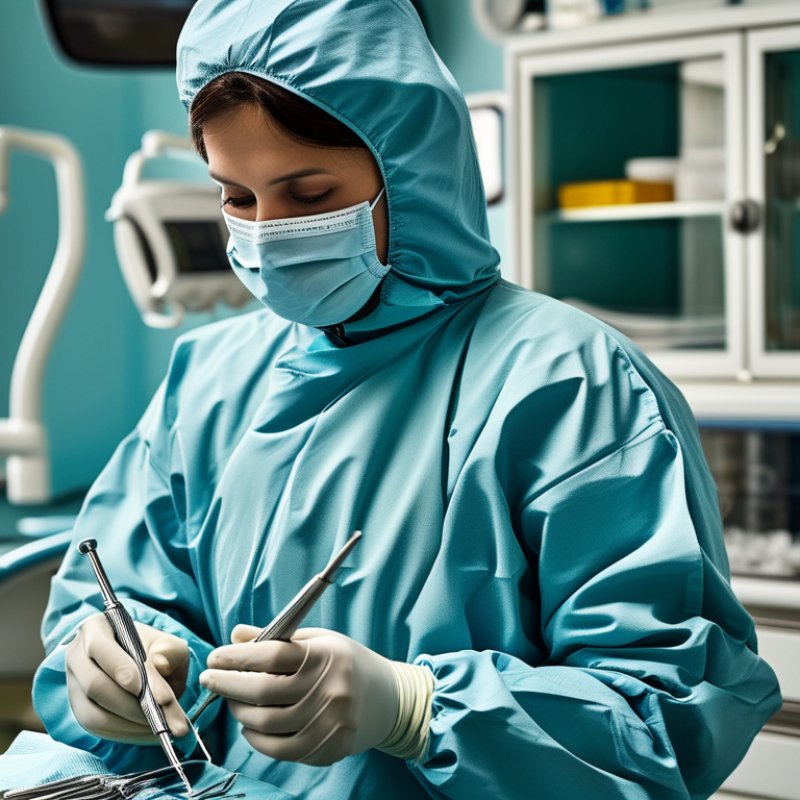
Understanding the importance of sterilizing dental tools cannot be overstated. Dental instruments come into contact with blood and saliva. This makes them potential carriers of infectious diseases. Proper sterilization reduces the risk of cross-contamination and protects both patients and dental professionals. The use of sterilized tools ensures a safe and hygienic environment.
Many dental practices use autoclaves for sterilization. These devices use high-pressure steam to kill bacteria and viruses. However, not every practice maintains their sterilization processes rigorously. Some tools may go unsterilized due to oversight or lack of training. This raises serious concerns. Regular audits and staff training are essential to uphold safety standards.
Handling reusable dental tools requires expertise. Beyond using sterilization equipment, practitioners should understand the limitations of their methods. Some tools may have intricate designs, making it difficult to achieve proper sterilization. This calls for reflective practices within the dental community. Continuous improvement can help address these challenges. Investing in enhanced sterilization practices boosts patient confidence and supports overall health.
Dental instruments are critical in providing patient care. However, these reusable tools can harbor various contaminants. Common issues include blood, saliva, and periodontal pathogens. A recent study reported that 30% of dental instruments can be contaminated after a single procedure. This highlights the need for proper sterilization.
Biofilm formation is another concern. Bacteria can cling to instrument surfaces, creating a protective layer. This biofilm can survive standard cleaning protocols. The effectiveness of sterilization methods diminishes significantly if biofilm is present. Studies reveal that biofilm can reduce sterilization effectiveness by up to 90%. Dental professionals must remain vigilant.
Inadequate sterilization practices can lead to cross-contamination. In one report, 25% of dental tools were found to have traces of infectious agents. This emphasizes the importance of stringent sterilization processes. It is essential for dental professionals to continually update their knowledge on the latest sterilization techniques. This practice ensures the highest standards of patient safety.
Maintaining hygiene in dental practices is crucial for patient safety. Before sterilizing reusable dental tools, proper cleaning techniques are vital. According to the Centers for Disease Control and Prevention (CDC), 46% of dental-related infections can stem from improperly sterilized instruments.
Effective cleaning begins with rinsing instruments to remove blood and debris. This initial step prepares instruments for thorough cleaning. Soaking tools in an enzymatic solution can help break down organic materials. These solutions can significantly reduce bioburden, which is essential for effective sterilization. Daily protocols suggest soaking for at least 10-15 minutes.
Manual scrubbing, while time-consuming, is often necessary for intricate tools. Using an ultrasonic cleaner can enhance this process, ensuring that hard-to-reach areas are effectively cleaned. It is important to note that visual inspections should follow cleaning. This ensures no residual contamination remains. Improperly cleaned instruments can jeopardize patient safety, highlighting a need for vigilance. A report from the American Dental Association indicates that 30% of dental practices may overlook these essential cleaning steps, potentially leading to severe consequences. Thus, reflecting on cleaning practices is essential for improving standards in dental hygiene.
Proper sterilization of dental tools is essential. Autoclaving is a standard practice in dental offices for ensuring safety. According to the CDC, autoclaving effectively destroys all forms of microbial life, including spores. This process uses steam under pressure to achieve high temperatures, typically around 121 to 134 degrees Celsius.
Experts recommend monitoring the autoclave's performance regularly. This includes using biological indicators, such as spore tests, to verify the efficacy of sterilization. Reports show that improper settings can lead to instrument failure. In a study by the American Dental Association, researchers found that almost 20% of dental professionals did not regularly perform these essential checks.
In addition, ensuring proper loading of instruments is crucial. Overcrowding can impede steam circulation. Studies indicate that improper loading can compromise sterilization results. It is vital for dental practitioners to remain vigilant about these practices. Regular staff training on sterilization protocols can reinforce proper techniques and reduce errors in sterilization. Implementing these practices enhances patient safety and contributes to overall dental hygiene.
| Method | Description | Temperature (°C) | Time (Minutes) | Notes |
|---|---|---|---|---|
| Steam Autoclaving | Uses saturated steam under pressure to kill microorganisms. | 121-134 | 15-30 | Most effective and widely used method. |
| Dry Heat Sterilization | Uses hot air to sterilize tools, ideal for moisture-sensitive instruments. | 160-180 | 30-120 | Longer exposure time required. |
| Chemical Sterilization | Involves using chemical agents to kill bacteria. | N/A | 10-30 | Not suitable for all tools; ensure compatibility. |
| Ethylene Oxide Sterilization | Uses ethylene oxide gas to sterilize at low temperatures. | Usually below 60 | 120-240 | Requires aeration after sterilization. |
| Ultraviolet (UV) Light | Uses UV light to disinfect surfaces and tools. | N/A | Varies | Supplemental method, not a primary sterilization technique. |
Sterilizing non-metal dental tools is essential to ensure patient safety. Traditional methods like autoclaving may not be suitable for materials like plastic or rubber. Alternative sterilization techniques have emerged as viable options. One common method is the use of chemical disinfectants such as glutaraldehyde. It effectively kills bacteria and viruses within 10 to 30 minutes. However, it requires careful handling due to its potential health hazards.
Another alternative is ethylene oxide gas sterilization. This method is particularly effective for complex instruments that cannot withstand high heat. Ethylene oxide penetrates packaging and effectively sterilizes without damaging the tools. Despite its efficiency, it can take up to 16 hours for the process and requires ventilation due to toxicity. This balancing act between efficacy and safety should be prioritized in a dental practice.
Hydrogen peroxide vapor is gaining traction among dental professionals. It offers a low-temperature environment that is safe for various materials. Studies indicate its effectiveness against a wide range of microorganisms. Nonetheless, not all practices have adopted it yet, indicating a need for further education on its benefits and applications. Understanding these methods is crucial for improving sterilization protocols and ensuring patient health.
: Sterilizing dental tools prevents the spread of infectious diseases. It protects both patients and dental professionals from cross-contamination.
Most dental practices use autoclaves. These devices utilize high-pressure steam to kill bacteria and viruses effectively.
Regular audits are crucial to uphold safety standards. They help identify practices that may overlook sterilization.
Rinse instruments first, then soak them in an enzymatic solution. This breaks down organic materials for better sterilization.
Soaking tools should last at least 10-15 minutes for effective bioburden reduction. This step is vital in preventing infections.
For intricate tools, manual scrubbing ensures thorough cleaning. Ultrasonic cleaners can help, but visual inspections are still needed.
Autoclaving usually operates at 121 to 134 degrees Celsius. This temperature effectively destroys all microbial life, including spores.
Regularly monitor the autoclave's performance using biological indicators. Spore tests verify the effectiveness of the sterilization process.
Overcrowding can hinder steam circulation. This may lead to compromised sterilization results, posing a risk to patient safety.
Continuous training reinforces proper sterilization techniques. This reduces errors and enhances overall dental hygiene practices in the office.
Sterilizing reusable dental tools is crucial to maintaining a safe and hygienic environment in dental practices. Understanding the importance of this process helps in combating common contaminants that can pose risks to both patients and practitioners. To answer the question of how to sterilize reusable dental tools properly, it is essential first to clean the instruments thoroughly, removing any organic material or debris before committing to sterilization.
Several effective techniques can be employed, including the use of an autoclave, which is the standard method for sterilizing metal tools due to its efficiency and reliability. For non-metal tools, alternative sterilization methods may be considered to ensure they are adequately protected from contaminants. By implementing best practices throughout this process, dental professionals can ensure the highest standards of safety and hygiene in their practice.
